The impact of power on trust in supply-demand cooperation has long been a subject of academic debate. Some studies suggest that greater power leads to greater trust, while others argue the opposite. So, what exactly is the effect of power on trust in supply-demand cooperation? And how should companies with high and low power respectively maximize their ability to gain the trust of their partners and facilitate cooperation?

|
Image source: ©千库网 |
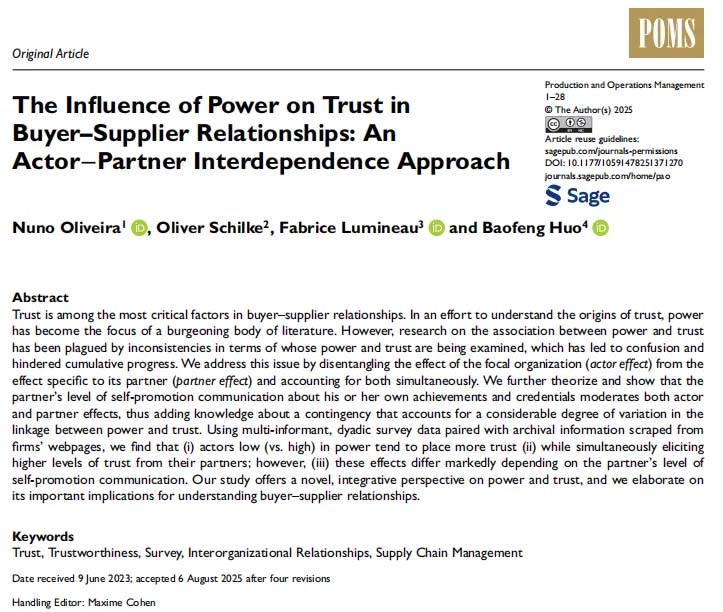
Addressing this issue concerning enterprise supply chain cooperation and high-quality development, Prof. HUO Baofeng of the School of Management at Zhejiang University, together with scholars from Tilburg University, the University of Arizona, and the University of Hong Kong, conducted in-depth research. After nearly 10 years of work, their research findings were recently published in the high-level international journal Production and Operations Management (one of the UTD24 journals).
|
You can access the Article here |
This study innovatively employs a two-way relationship statistical model - the “actor-partner interdependence model” - to analyze the impact of power on trust in supply and demand cooperation, revealing several “truths about cooperation” that overturn academic understanding.
The resilience and security of industrial and supply chains, as well as economic and social development, all depend on trust and cooperation between organizations. This issues special feature on scientific research will examine this high-level study, which is conducive to enhancing trust between supply and demand sides, promoting win-win cooperation, and helping to improve the resilience and security of the supply chain.
|
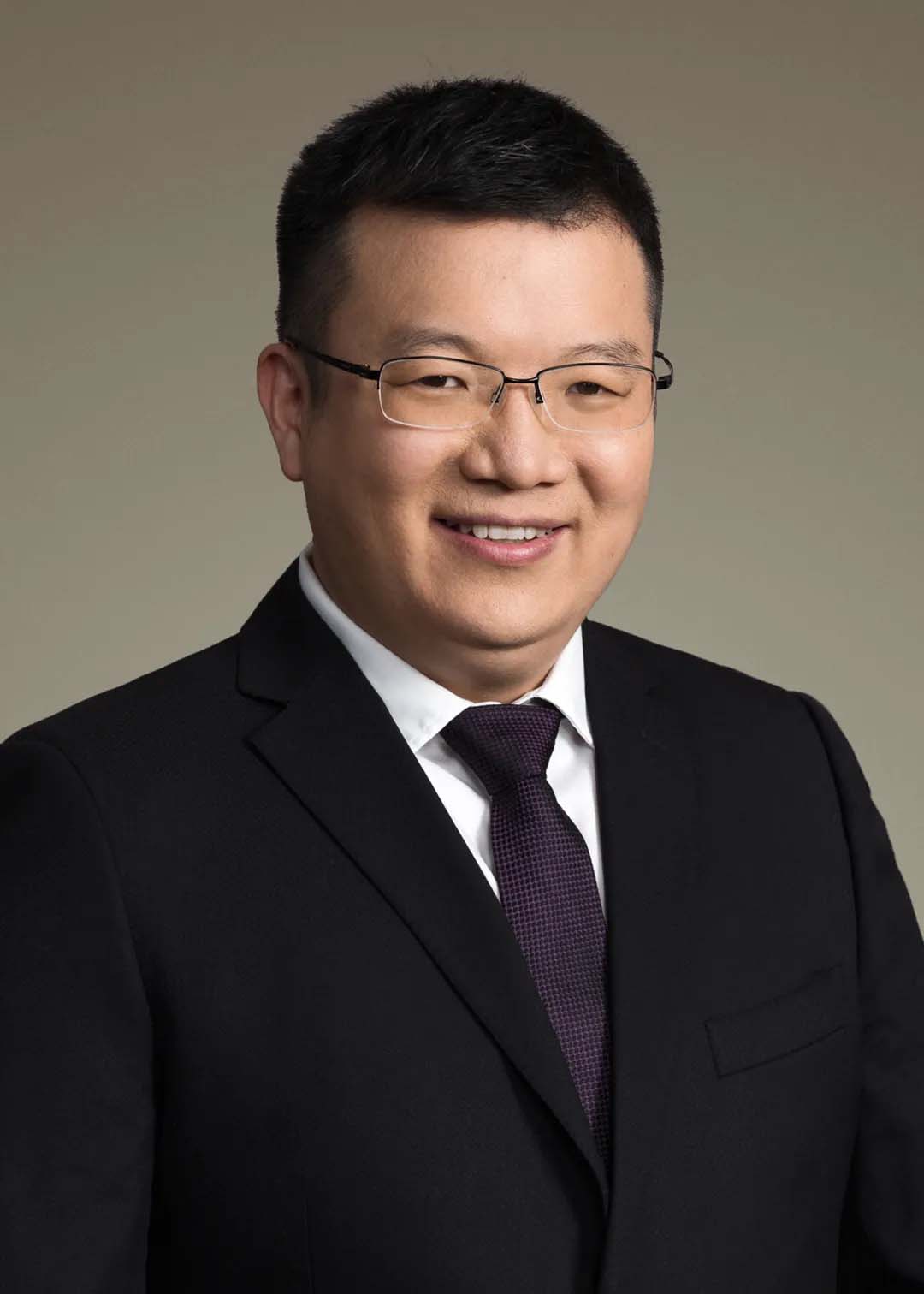
HUO Baofeng | 霍宝锋 School of Management, Zhejiang University |
||
|
|
||
|
|
|
Academic Background: Professor and doctoral supervisor in the Department of Service Science and Operations Management, ZJUSOM. Research: logistics and supply chain management, operations management, and digital management. You can learn more about Prof. HUO Baofeng‘s academic background here |
|
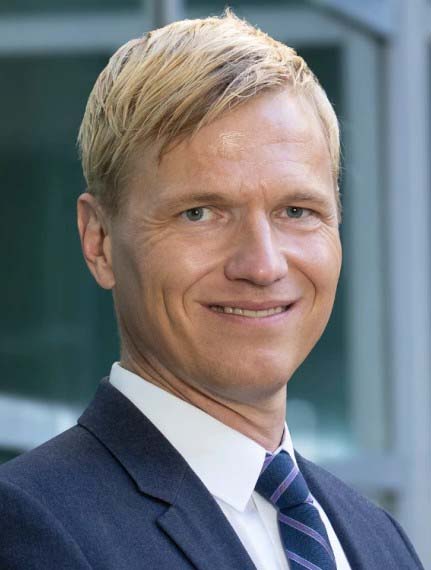
Nuno Oliveira School of Social and Behavioral Sciences, Tilburg University |
||
|
|
||
|
|
|
Academic Background: Professor of Organization Studies at Tilburg University (The Netherlands). Research: problems of organizing in interorganizational relationships (e.g., adaptation and coordination). You can learn more about Prof. Nuno Oliveira‘s academic background here |
|
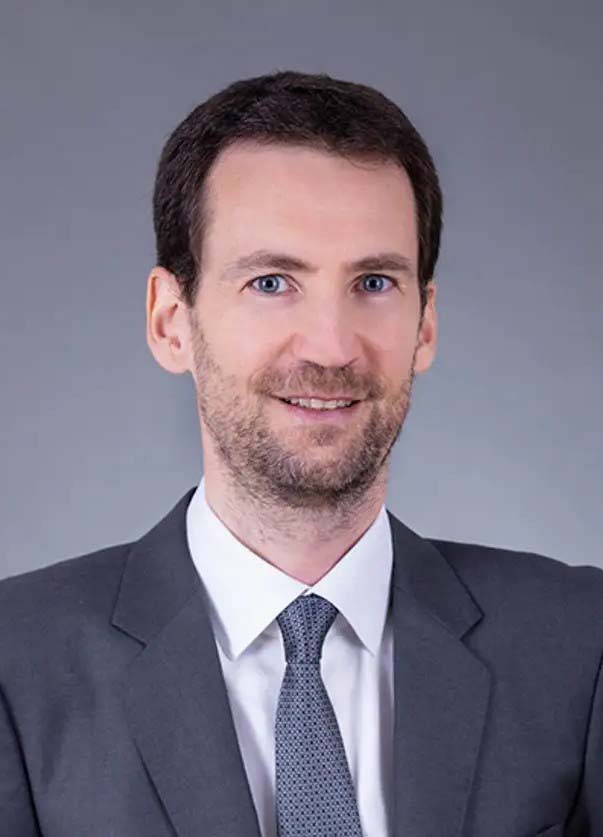
Oliver Schilke Eller College of Management, University of Arizona |
||
|
|
||
|
|
|
Academic Background: Professor of Management and Organizations, Professor of Sociology (by courtesy), Director, Center for Trust Studies and External Faculty Affiliate, Stanford University‘s Institute for Research in the Social Sciences. Research: trust, organizational routines/capabilities, institutional theory, social cognition, collaborations. You can learn more about Prof. Oliver Schilke‘s academic background here |
|
Fabrice Lumineau HKU Business School, The University of Hong Kong |
||
|
|
||
|
|
|
Academic Background: Professor in Strategic Management at HKU Business School, HKU. Research: research examines inter-organizational partnerships, the interplay of contracts and trust in collaborative strategies, and blockchain governance. You can learn more about Prof. Fabrice Lumineau‘s academic background here |
To explore the impact of power on trust in supply and demand cooperation, the research team focused on the "two-way relationship" between buyers and sellers rather than a single entity. For the first time, they adopted the "actor-partner interdependence model" and conducted a hybrid design of "paired survey + archival data" to dynamically study the complex relationship between power and trust.
After surveying 250 "buyer-supplier" pairs (covering 1,000 business managers) in China‘s manufacturing sector, they also conducted an analysis of the official website archives of 500 companies involved in these "buyer-supplier" pairs, especially the self-promotion and publicity content. Ultimately, they revealed the real impact of the power dynamics between the two parties in the supply and demand cooperation relationship on mutual trust, and pointed out the moderating effect of corporate self-promotion on this impact in the cooperation.
Specifically, they uncovered several "collaboration truths" that overturned academic understanding.
01 | The less power an actor holds, the more willing they are to trust high-power partners - and the more likely they are to earn trust in return.
Traditional views hold that power is a zero-sum game; in cooperation, the less power a party has, the more passive they are, the less likely they are to gain trust, and the less willing they are to trust their partner. However, team found the opposite: the weaker party with less power is more likely to gain the trust of a partner with more power; at the same time, the weaker party with less power is more willing to trust their partner.
In their study, they explained this conclusion and the reasons behind it from the perspectives of the partnership effect and the actor effect.
■ "Partner effect"
You tend to trust your partners more when they have less power. This is because partners with less power have fewer key resources, so you assume they "don‘t have the capital to play tricks," and they rely more on and cherish the existing relationship. Their cooperative behavior is usually more stable and predictable, and they are perceived as having less opportunistic risk. On the other hand, when your partners have more power, you instinctively become wary of them taking advantage of their dominant position to engage in speculative behavior.
■ "Actor Effect"
When you have less power, you are more willing to trust others. This is not blind trust, but a kind of relational dependence. The party with less power experiences greater insecurity due to their own vulnerability, believing that by proactively extending trust, they can effectively alleviate cognitive dissonance, reduce transaction risks, and potentially cultivate a long-term mutually beneficial cooperative atmosphere. On the other hand, the party with more alternative options and control capabilities is less dependent on trust.
02 | Appropriate self-promotion by high-power actors can help alleviate their partners‘ trust concerns.
The research team found that appropriate self-promotion and publicity, such as companies promoting their achievements, cooperation philosophy, and integrity on their official websites, can effectively regulate the "partnership effect" and alleviate trust concerns caused by power imbalances.
In other words, when a high-powered partner actively promotes its positive image and cooperation commitments (such as stating "growing together with suppliers" on its official website), you won‘t feel threatened by its strength, and your suspicions about its potential opportunism will be alleviated, thus reducing your distrust. Conversely, if a high-powered partner keeps a low profile, the distrust stemming from its power will be stronger, and you may worry about being "manipulated" by it.
However, the research team found that self-promotion and publicity did not have a significant impact on the "actor effect," meaning that the inherent tendency of low-power organizations to "trust for stability" is unlikely to change due to whether the other party promotes themselves highly.
03 | The misuse of mediated power is the most damaging to trust, while trust is highest between two low-power partners.
The research team also revealed some more subtle "truths" through further analysis.
First, the types of power differ: what triggers vigilance in low-power organizations is primarily the other party‘s "mediated power" (such as punishment, pressure, and control of resources), rather than "non-mediated power" (such as professional competence and knowledge). The most damaging to trust is when the other party abuses coercive force.
Secondly, the combination effect is significant: in cooperation, the trust level between "two strong" combinations is the lowest, with both sides being highly wary and prone to getting into a stalemate; the trust level between "two weak" combinations is the highest, with both sides cherishing and relying on each other, and easily forming a stable alliance. As for the two combinations of "one strong and one weak", whether it is "I am strong and you are weak" or "I am weak and you are strong", the trust level between the two sides is at a moderate level.
Thirdly, there are interferences from environmental factors: when market competition is fierce, there will be less trust in high-power partners; when market demand fluctuates greatly, low-power organizations will further strengthen their strategy of "seeking stability through trust".
|
Image source: ©千库网 |
Previous studies have focused solely on "one‘s own power" or "the other party‘s power" in cooperation. However, research team breaks away from the "zero-sum" assumption of power, treating power as an "organization-specific variable" (both parties can simultaneously have high or low power). For the first time, it analyzes the two-way effects between actors and partners from a more scientific "two-way perspective." Furthermore, by using self-promotion communication as a moderating variable, it reveals the impact of "how an organization presents itself" on power-trust relationships.
This study responds to controversy with science, providing new methods, perspectives, and frameworks for research on supply chain cooperation and inter-organizational trust . It also offers important practical insights for optimizing supply chain cooperation strategies, enhancing supply chain resilience and security, and assisting enterprises in trust management.
Implication 1
For companies with high authority, proactively promoting themselves through their official websites to showcase their sincerity in cooperation and their achievements can reduce the other party‘s suspicion and distrust, thus facilitating smoother and more stable cooperation.
Implication 2
For companies with low power, establishing long-term cooperative advantages can be achieved through proactive trust. There‘s no need to be overly wary of companies with high power; a moderate level of trust can actually bridge the gap.
Implication 3
In supply chain cooperation, if both parties are "high-powered parties" in the industry, they should enhance mutual understanding and trust to promote "win-win cooperation".

|
Image source: ©千库网 |
First, don‘t get hung up on "who‘s in charge" in collaborations. In a team, if you have low authority, moderately trusting your colleagues or partners can actually improve efficiency; if you have high authority, share your plans and sincerity more, and don‘t make the other party "guess what you‘re thinking."
Secondly, in business negotiations, learn to "use promotion to shorten the distance." When cooperating, the party with higher power can proactively showcase past successes and cooperation guarantees, while the party with lower power can emphasize their focus and reliability, both of which can enhance mutual trust.
Third, a balance of power is crucial in long-term relationships. Regardless of which party you are in a partnership, avoid pursuing a situation where one party has absolute power. A proper balance of power and sincere communication is essential for maintaining trust and ensuring a lasting partnership.
|
- We thank Prof. HUO Baofeng and the co-authors for their research on the relationship between power and trust in buyer - supplier cooperation.
- You can read the original article in Chinese here