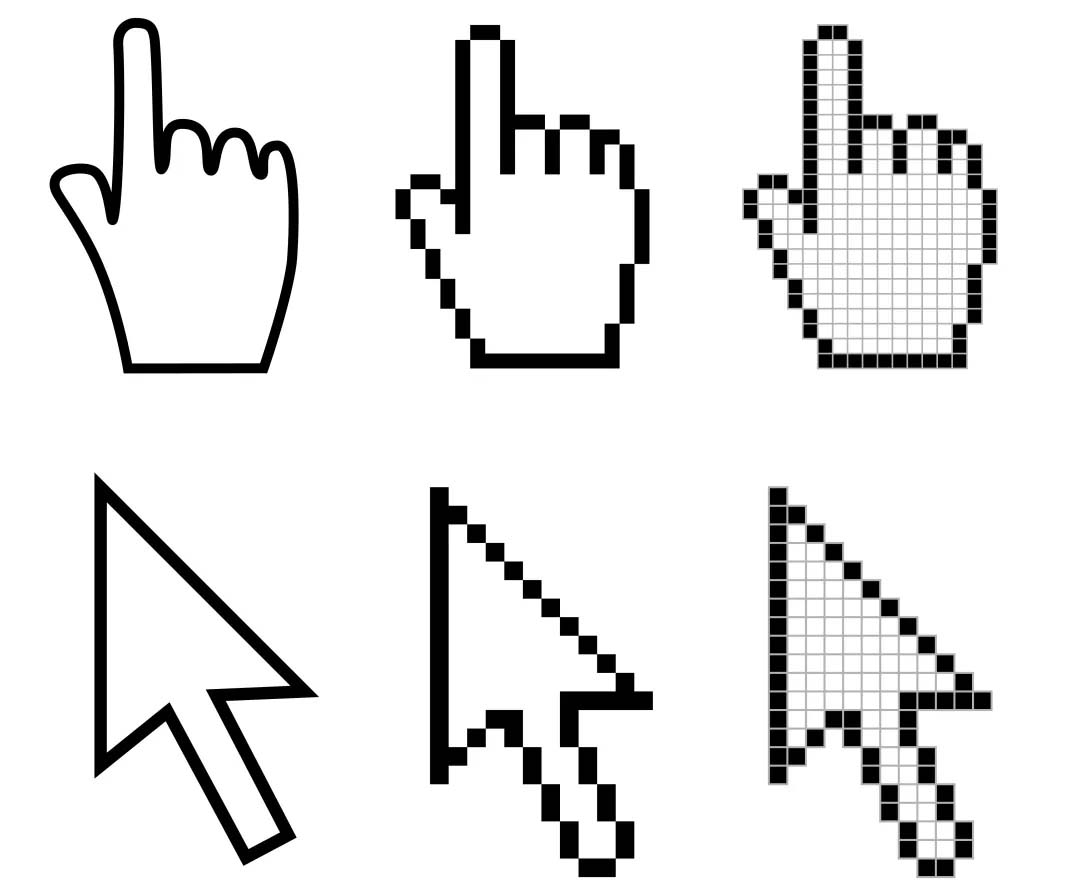
We interact with various electronic devices every day - using our phone touchscreens to watch short videos, using our computer mice to process work documents, and using tablets to browse news… Touchscreens and mice have long become standard equipment for our interaction with the digital world. Have you ever considered that seemingly simple "clicks" and "touches" are not just differences in operation methods, but may also subtly influence the way we think about problems?
|
Image source: ©千库网 |
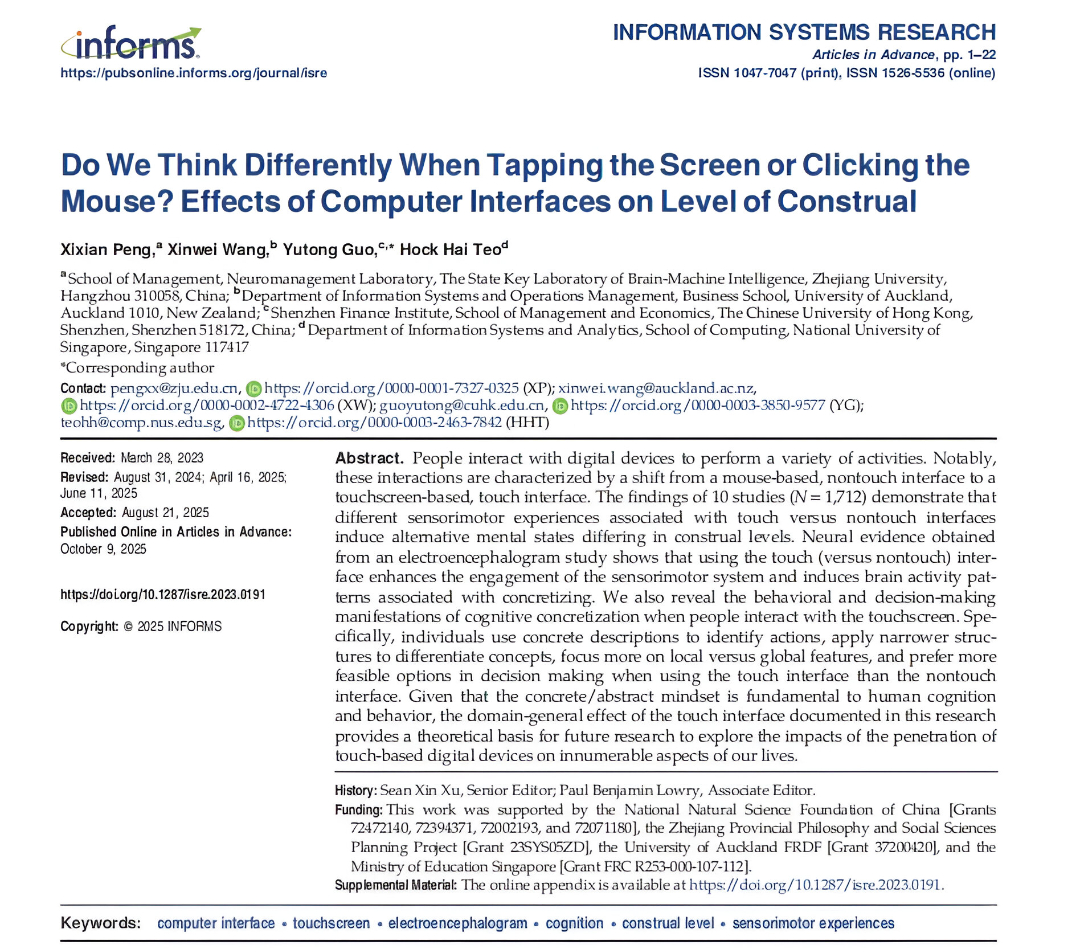
A research team from the Neuromanagement Laboratory of the School of Management at Zhejiang University, in collaboration with several other universities, published their findings in the top international journal Information Systems Research (UTD24, FT50). For the first time, they revealed the profound impact of touchscreen and non-touchscreen interfaces on the level of human cognitive interpretation from the interdisciplinary perspective of neuroscience and psychology, providing a new perspective for understanding the connection between digital interaction and brain thinking.
|
INFORMATION SYSTEMS RESEARCH publishing here |
|
PENG Xixian | 彭希羡 School of Management, Zhejiang University |
||
|
|
||
|
|
|
Academic Background: Researcher under the "Hundred Talents Program" at the ZJUSOM. His research areas include human-computer/artificial intelligence interaction, e-commerce live streaming, and neural information systems (NeuroIS). You can learn more about ZJU 100-Young Professor PENG Xixian‘s academic background here |
|
WANG Xinwei | 王鑫维 School of Business, The University of Auckland |
||
|
|
||
|
|
|
Academic Background: Senior Lecturer at the Department of Information Systems and Operations Management, University of Auckland. Her research focuses on exploring and theorizing human cognition and behavior in digital media environments and IT/IS innovations. You can learn more about Dr. WANG Xinwei‘s academic background here |
|
GUO Yutong | 郭羽童 School of Management and Economics, The Chinese University of Hong Kong, Shenzhen |
||
|
|
||
|
|
|
Academic Background: Assistant Professor at The Chinese University of Hong Kong (Shenzhen), specializing in Information Systems, focusing on digital consumer behavior, live streaming e-commerce, and generative AI applications, with expertise in econometrics and machine learning. You can learn more about Assistant Prof. GUO Yutong‘s academic background here |
|
TEO Hock Hai | 张福海 School of Computing, National University of Singapore |
||
|
|
||
|
|
|
Academic Background: Provost‘s Chair Professor Director (Humanities & Social Sciences Research), NUS Office of the Deputy President, Hock-Hai Teo is the Provost‘s Chair Professor of Information Systems. His current research interests focus mainly on Health Informatics, open innovation, and IT artifacts that are geared towards improving individual decision-making, health outcomes and educational outcomes. You can learn more about Provost‘s Chair Professor TEO Hock Hai‘s academic background here |
|
How do operational methods influence thinking, from neural activity to behavioral decision-making? |
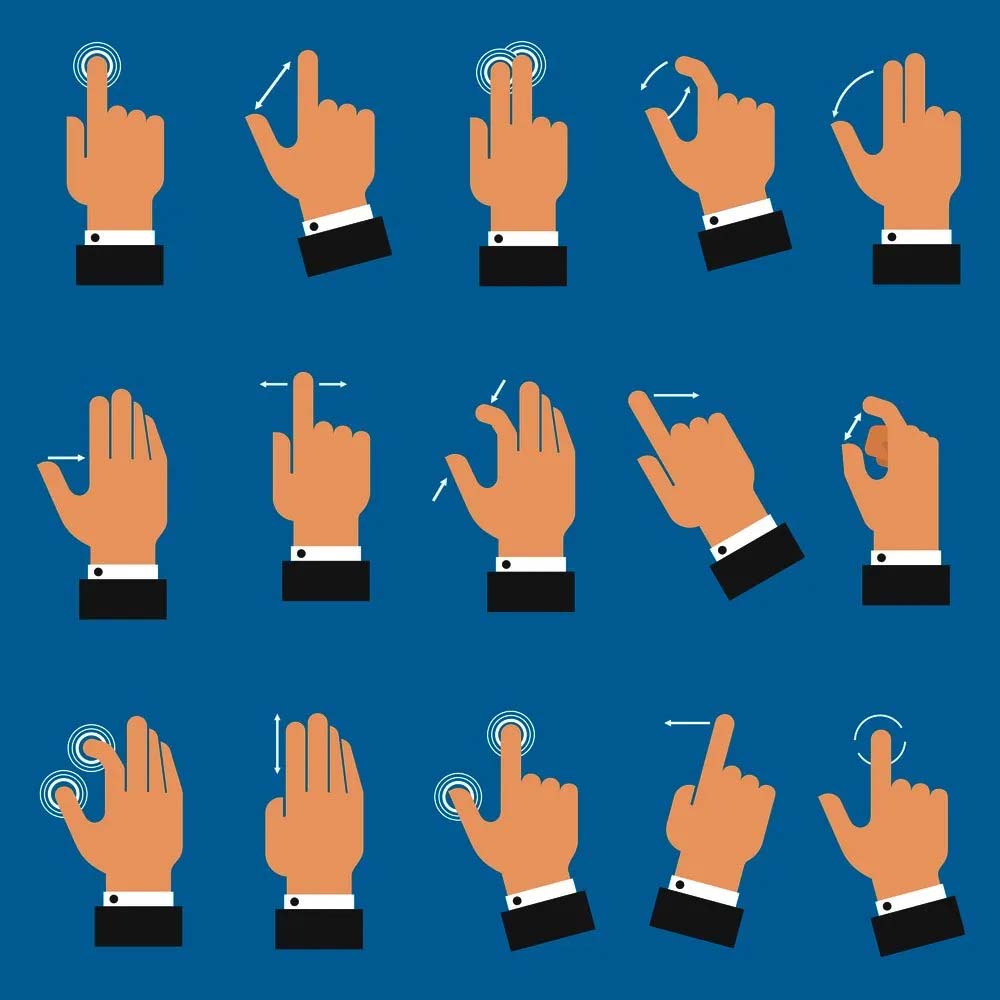
Today, mobile devices contribute over 60% of global internet traffic, and touchscreens have become the mainstream way we interact with the digital world. From smartphones and tablets to touch-screen laptops, the market size of touchscreen devices continues to grow. However, despite the widespread adoption of touchscreen technology, research on how it affects core human cognitive processes remains insufficient. Traditional mouse operation is "indirect interaction" - we indirectly interact with screen content by manipulating the mouse pointer; while touchscreens are "direct interaction," where finger clicks and swipes directly interact with screen elements. Could this difference in sensor motion experience lead to a change in thinking patterns? The research team hypothesizes that touchscreen interfaces may enhance the activation of sensor motion systems, making people‘s thinking more concrete and detail-oriented; while mouse interfaces may encourage more abstract thinking and a focus on the whole.
To verify this hypothesis, the team conducted 10 series of studies, covering neuroelectroencephalogram (EEG) experiments, behavioral experiments, and real-world decision-making tasks, recruiting a total of 1,712 participants and demonstrating the impact of interface interaction methods on cognition from multiple dimensions.
|
Image source: ©千库网 |
When touching a screen, the brain is more likely to "think about concrete things".
The research team first explored brain activity patterns during different interface interactions using electroencephalography (EEG) experiments. The results showed two distinct changes in the parietal lobe of the brain when using a touchscreen: one was an increase in theta waves, indicating that the brain‘s "sensory-motor system" was significantly activated - simply put, when a finger directly touches the screen, the brain is more engaged in the concrete physical experience of "touching" and "tapping"; the other was a decrease in alpha waves, suggesting that the brain‘s abstract thinking activity decreased, and it was more inclined to process concrete information, such as focusing more on the details of images on the screen, rather than thinking about complex, abstract connections.
It is worth noting that this neural difference is more pronounced when processing image information. Compared to text, images contain more detailed cues, which can further amplify the facilitating effect of touchscreens on concrete thinking. This also aligns with the everyday experience of "being more immersive when viewing images on a touchscreen ."

|
Image source: ©千库网 |
From a common-sense perspective: Touchscreens allow us to focus our thinking on "details".
Based on neural experiments, the team verified the impact of interface interaction on cognitive patterns through tests in several everyday scenarios.
■ They are more "strict" in classifying things.
When faced with the question of whether a cucumber counts as a fruit, touchscreen users are more likely to answer no than mouse users. This doesn‘t mean touchscreen users don‘t understand categorization, but rather that they focus more on the specific attributes of things - cucumbers are commonly used as vegetables, making it difficult to classify them as "fruits." This indicates that touchscreens lead people to be more rigorous in their categorization, focusing more on the specific uses of things, and making it difficult to associate "marginal concepts" with categories - a typical characteristic of concrete thinking.
■ When describing behavior, the focus is more on "how to do it".
When describing a greeting, touchscreen users are more likely to interpret it as "saying hello," while mouse users interpret it as "expressing friendliness." Analysis confirms that this difference stems from the enhanced sensor-based motion experience offered by touchscreens - the direct interaction between fingers and the screen leads people to understand the behavior itself from the perspective of "action execution," rather than focusing on its abstract purpose.
■ Pay more attention to details when looking at things.
In another experiment, the research team presented participants with a "large square made up of multiple small triangles." Those using touchscreens focused more on the details of the smaller triangles. The study used an analogy: touchscreens make us see the "trees" first, while a mouse makes it easier for us to see the "forest." This means that touchscreens guide people to prioritize local details, while a mouse makes it easier to grasp the overall structure.
From a practical decision-making perspective: Touchscreen users prefer to choose "practical and easy-to-use" options.
When making choices, we often struggle with whether something is easy to use (feasibility) or whether it‘s something we want (desirability). Research has found that using a touchscreen versus a mouse can lead to differences in our choice preferences.

|
Image source: ©千库网 |
■ They prefer "practical" products when choosing items.
For example, when choosing a camera, one might be lightweight and easy to operate but have fewer features, while another has many features but is bulky and difficult to use. Among iPad touchscreen users, more than 80% would choose the lightweight one; while among computer mouse users, only about half would choose it. This shows that touchscreens make us care more about "ease of use" than "powerful functionality."
■ People are more likely to take action when faced with health advice.
In promoting an "online skin cancer detection tool," if the advertisement says "you can use it by clicking the link, and it‘s all done in one step" (emphasizing feasibility), it will be easier for touchscreen users to take action. However, if it only says "this tool can help detect problems early" (emphasizing benefits), the adoption rate will be the same for both groups.
|
Theoretical Breakthrough and Practical Significance: Beyond an "Interface," Reflecting a New Understanding of the Digital Age |
Previous research has largely focused on the impact of interfaces on specific behaviors. This study, however, is the first to reveal the profound influence of interfaces on thinking patterns - not only changing "what to think," but also "how to think," providing a novel theoretical perspective for the field of information systems. Furthermore, the study discovered a new triggering factor: "digital interaction methods," confirming that everyday interface use can shape cognitive patterns in digital life. Moreover, the inclusion of neural mechanisms clarifies for the first time that "sensor motion experience" is the core mediator of interface influence on cognition, providing neural-level evidence for the application of embodied cognition theory in digital interaction scenarios.
In addition to these three major theoretical contributions, the study also put forward four practical implications, empowering decision-making in multiple fields.
01 | In terms of marketing and product design, information should be customized according to the interface.
In marketing scenarios, for touchscreen users (such as mobile consumers), the product‘s "feasibility" selling points should be highlighted, such as "easy to operate", "portable", and "clear steps"; for mouse users (such as computer consumers), the focus can be on "desirability" selling points, such as "comprehensive functions", "brand value", and "long-term benefits".
02 | In terms of public outreach and health intervention, the interface and information framework should be precisely matched.
In fields such as cybersecurity and public health, promotional materials for touchscreen users should focus on specific "how-to" instructions, while those for desktop users can emphasize the value of "why it‘s important."
03 | At the education and training level, the interaction method should be selected according to the objectives.
In educational settings, if the goal is to cultivate "detail control skills" (such as programming and design training), touchscreen devices can be used to facilitate concrete thinking; if the goal is to cultivate "holistic thinking" (such as strategic planning and innovative design), mouse devices can be prioritized to reduce distractions from details and facilitate abstract thinking.
04 | At the digital product development level, the adaptation of interfaces and functions should be optimized.
When it comes to developing digital products, touchscreen devices can enhance "detailed interaction" functions, such as image zooming and gesture operation, to match users‘ specific thinking patterns; while desktop products can add "overall overview" functions, such as data dashboards and mind mapping tools, to meet users‘ abstract thinking needs.

|
Image source: ©千库网 |
From "clicking the mouse" to "touching the screen," seemingly minor differences in interaction methods actually conceal profound changes in brain thinking. This research not only reveals the connection between digital interfaces and cognition but also provides new insights into the "symbiotic relationship between humans and digital technology." In today‘s rapidly pervasive digital landscape, we must not only focus on the functionality of technology but also pay attention to its potential impact on human thought and behavior. In the future, with a deeper exploration of the cognitive mechanisms of digital interaction, we can expect to design digital products and services that better understand the brain, allowing technology to truly become a partner in assisting human cognition and decision-making, rather than simply a tool. For every user in the digital age, understanding the principle that "interface influences thinking" can also help us choose interaction methods more rationally, find a balance between concrete and abstract thinking, and better adapt to digital life.
|
- We thank Researcher PENG Xixian and the research team for their valuable contribution to advancing the understanding of how different digital interaction modes - such as touchscreens and mouse interfaces - shape human cognition and decision-making
- You can read the original article in Chinese here